

Huajuhong vs. Dried Pomelo Peel: What Is the Difference?
Huajuhong and Dried Pomelo Peel are both citrus-derived botanical materials, so it is easy to assume that they are simply different names for the same product. In practice, the two terms can describe materials with different botanical sources, harvesting stages, processing methods, physical characteristics, and traditional applications. Understanding the difference between Huajuhong and Dried Pomelo Peel is especially important when selecting herbal tea ingredients, botanical raw materials, retail products, or wholesale citrus peel.
Huajuhong is also known as Citri Grandis Exocarpium and Tomentose Pummelo Peel in botanical and herbal references. It is traditionally associated with the dried outer peel of immature or nearly mature pomelo fruit, particularly Citrus grandis ‘Tomentosa’. Dried Pomelo Peel is a broader description that can refer to dried pomelo peel from different pomelo fruits and does not, by itself, identify one specific traditional material.
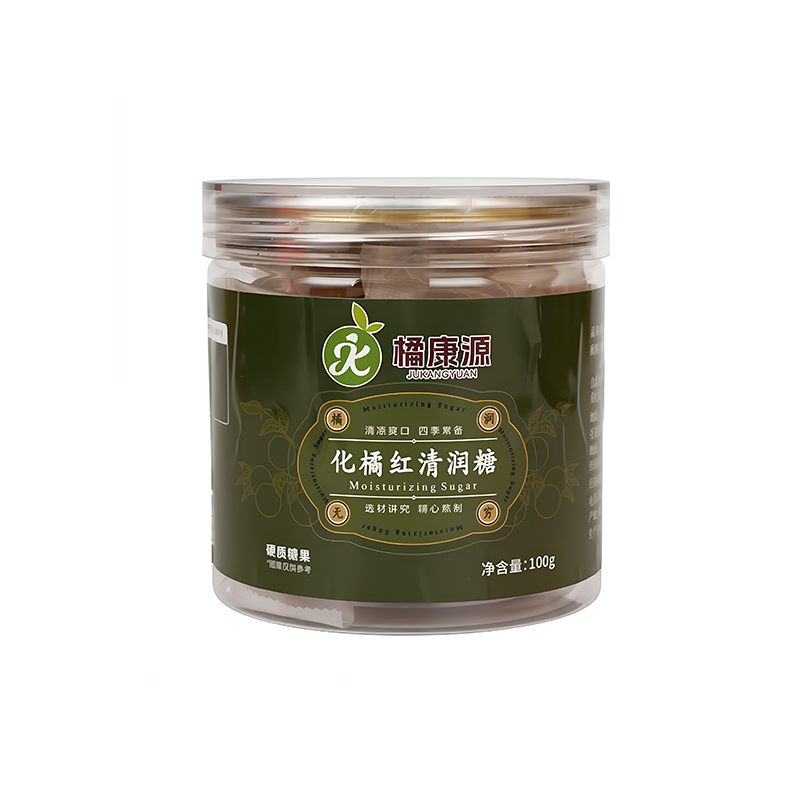
Huajuhong is a traditional dried citrus peel product associated with Huazhou, Guangdong, China. In botanical and traditional herbal references, Huajuhong is closely connected with Citri Grandis Exocarpium. The material is obtained from the outer peel of immature or nearly mature fruit, with Citrus grandis ‘Tomentosa’ being an important botanical source. The young fruit of this type is characterized by a noticeably hairy outer surface, which is one reason Huajuhong is sometimes called Tomentose Pummelo Peel.
Unlike ordinary dried citrus peel that may simply be peeled from mature fruit and dried, traditional Huajuhong processing involves selecting fruit at a specific growth stage, removing the pulp and part of the inner material, cutting the peel into sections, pressing or shaping it, and then drying it. These processing steps influence the final appearance, texture, aroma, and storage characteristics of Huajuhong.
For buyers, the important point is simple: Huajuhong is not merely a generic word for every type of dried pomelo peel. Huajuhong refers to a more specific Traditional Citrus peel material with defined botanical and processing characteristics.
Dried Pomelo Peel is a broader product description. It generally means pomelo peel that has been separated from the fruit and dried for later use. Depending on the source fruit, harvesting stage, peeling method, drying technology, and intended application, Dried Pomelo Peel can have very different characteristics.
Dried Pomelo Peel may be produced from mature pomelo fruit for food ingredients, tea blends, culinary applications, flavor development, or botanical products. Some products are sold as large pieces, while others are cut into strips, flakes, chunks, or Dried Pomelo Peel Slices. The term itself does not necessarily tell a buyer the exact cultivar, geographical origin, harvesting stage, or traditional processing method.
This is the first major difference between Huajuhong and Dried Pomelo Peel. Huajuhong is a more specific traditional product name, while Dried Pomelo Peel is a general product description. A Dried Pomelo Peel product may or may not qualify as Huajuhong depending on its botanical source, maturity, processing, and applicable product specifications.
| Feature | Huajuhong | Dried Pomelo Peel |
|---|---|---|
| Product name | Specific traditional citrus peel material | General description of dried pomelo peel |
| Common botanical association | Citrus grandis ‘Tomentosa’ and related recognized sources | Various pomelo sources depending on the product |
| Harvest stage | Typically immature or nearly mature fruit | Can vary according to application and producer |
| Outer appearance | May show characteristic surface texture or hairs depending on source | Usually depends on the pomelo variety and processing |
| Processing | Traditional cutting, removal of pulp, shaping and drying | May use simple drying or other commercial processing |
| Traditional identity | Closely associated with Citri Grandis Exocarpium | Does not automatically indicate a specific herbal material |
| Typical applications | Traditional herbal products, tea and botanical applications | Tea, food ingredients, botanical products and other uses |
This comparison shows why buyers should not judge Huajuhong and Dried Pomelo Peel only by appearance. The name, source, harvest stage, and processing history all matter when determining what a dried citrus peel product actually is.
Huajuhong can be considered a type of dried pomelo-derived peel, but not every Dried Pomelo Peel should automatically be called Huajuhong. This distinction is important in wholesale sourcing and product labeling.
Think of Dried Pomelo Peel as a broad category and Huajuhong as a more specific traditional material within that category. If a buyer orders Dried Pomelo Peel, the supplier should clarify the fruit species or cultivar, harvesting stage, geographical origin, processing method, slice or piece size, moisture requirements, packaging, and intended application.
If the buyer specifically needs Huajuhong, the sourcing requirements become more precise. The supplier should be able to explain the botanical source, production area, harvesting stage, processing procedure, product form, and quality-control process. This is particularly important for overseas buyers who may encounter several different products marketed under similar English names.
Huazhou in Guangdong has a long-standing association with Huajuhong Production. Modern literature describes Huajuhong as a regionally distinctive resource and identifies Huazhou as a major production area. This geographical connection is one reason the name Huazhou frequently appears when buyers research Huajuhong.
For a commercial buyer, origin is more than a marketing phrase. Origin can be useful when evaluating raw material consistency, cultivation practices, processing experience, supply stability, and product documentation. When purchasing Huajuhong in bulk, it is therefore sensible to ask where the fruit was grown, where it was processed, and whether the supplier can provide consistent specifications from batch to batch.
Our production approach is based in Huazhou and focuses on standardized planting, careful harvesting, controlled processing, natural aging where applicable, and quality inspection. We work with the practical requirements of Southeast Asian buyers, including packaging, order quantities, documentation, and export-oriented supply.
One of the easiest ways to recognize traditional Huajuhong is to examine its physical structure. Traditional references describe Huajuhong from Citrus grandis ‘Tomentosa’ as having a distinctive folded or star-like form after processing. Individual sections may resemble elongated leaves, while the outer surface can range from yellow-green to yellow-brown and may contain fine hairs, wrinkles, and small oil glands.
Dried Pomelo Peel can look much simpler. Commercial Dried Pomelo Peel may appear as irregular pieces, strips, flakes, or slices, depending on how the producer removes and cuts the peel. A mature pomelo peel may also have a different thickness and surface texture from traditional Huajuhong.
However, appearance alone is not enough to authenticate a product. Storage conditions, drying temperature, fruit maturity, packaging, and processing can all change the visual characteristics of dried citrus peel. Buyers should combine visual inspection with supplier information and agreed specifications.
Huajuhong normally has a recognizable citrus aroma because the peel contains volatile components associated with citrus essential oils. Its traditional sensory profile can include aromatic, bitter, and slightly pungent notes. Dried Pomelo Peel can also have a pleasant citrus aroma, but the intensity and character can vary significantly according to the pomelo variety, maturity, drying method, and storage conditions.
This is why aroma can be useful during incoming quality inspection, but it should not be used as the only authentication method. A strong smell does not automatically mean higher quality, and a weaker aroma does not automatically mean that a product is unsuitable. For commercial purchasing, aroma should be evaluated together with cleanliness, dryness, appearance, raw material source, and agreed specifications.
Traditional Huajuhong processing begins with immature or nearly mature fruit. The fruit is harvested at the appropriate stage and subjected to a traditional preparation process. References describe briefly scalding the fruit, cutting the peel into several sections, removing the pulp and part of the inner peel material, shaping or pressing the sections, and drying them.
Modern commercial production can add additional quality-control steps around this traditional process. These may include raw material selection, cleaning, controlled drying, grading, inspection, moisture management, packaging, and storage management. The goal is not simply to produce a dry peel. The goal is to deliver a stable product with consistent appearance, cleanliness, dryness, packaging integrity, and traceable specifications.
Our Huajuhong production follows a whole-process approach. We pay attention to raw material selection, planting practices, harvesting, cleaning, processing, drying, inspection, and packaging. For export orders, packaging can be adapted to different quantities and market requirements, including wholesale packaging, retail packaging, gift packaging, and private-label solutions.
Dried Pomelo Peel can follow a much wider range of processing methods. Some producers peel mature pomelo, clean the peel, cut it into convenient pieces, and dry it naturally or with controlled equipment. Other producers may use slicing, grading, moisture control, or additional food-processing procedures depending on the final application.
Because Dried Pomelo Peel is a broad term, buyers should avoid assuming that all products have identical specifications. One supplier may offer thick dried peel for tea and botanical use, while another may offer thin Dried Pomelo Peel Slices for food manufacturing. The raw material and production process should therefore be confirmed before placing a large order.
Both Huajuhong and Dried Pomelo Peel can be used in herbal tea and botanical beverage applications. Huajuhong is particularly interesting for products that emphasize traditional Chinese botanical ingredients, citrus aroma, and a connection with traditional herbal culture.
For a simple Huajuhong Herbal Tea, the dried peel can be rinsed or prepared according to the intended product specification and combined with other suitable botanical ingredients. The final taste depends on the amount of peel, brewing temperature, steeping time, and other ingredients used in the blend.
Dried Pomelo Peel is also suitable for tea blends, especially when the manufacturer wants a recognizable citrus note or dried botanical appearance. The choice between Huajuhong and Dried Pomelo Peel depends on the positioning of the finished product. A traditional Chinese herbal product may require a more specific Huajuhong identity, while a general citrus tea may simply require consistent Dried Pomelo Peel.
Citrus peels are widely studied because they contain various natural compounds, including flavonoids, volatile oils, phenolic compounds, pectin, and other phytochemicals. Scientific reviews have discussed these compounds across different citrus species and peel materials. However, the chemical profile of an individual product depends on species, cultivar, maturity, growing conditions, processing, and storage.
This point matters when writing product descriptions. It is reasonable to describe Huajuhong and Dried Pomelo Peel as natural citrus botanical materials containing naturally occurring citrus compounds. It is not appropriate to assume that every batch has the same concentration or to make medical claims without product-specific evidence.
For commercial product development, laboratory testing can provide a more reliable basis for evaluating quality. Depending on the intended market and product category, buyers may consider moisture, microbiological safety, pesticide residues, contaminants, appearance, foreign matter, and other agreed specifications.
When purchasing Huajuhong, start with the source. Ask whether the supplier can clearly identify the botanical material and production area. If the product is promoted specifically as Huajuhong, the supplier should be able to explain why the material meets that description.
Next, check the physical characteristics. High-quality Huajuhong should be reasonably clean, properly dried, free from obvious foreign matter, and consistent with the agreed appearance. Aroma, color, thickness, surface texture, and piece structure can all provide useful information during inspection.
Packaging is equally important. Dried citrus peel can absorb moisture from the surrounding environment, so moisture-resistant packaging is useful for transportation and storage. For export shipments, we can provide inner moisture-resistant bags, cartons, woven bags, retail packaging, or customized packaging according to the order requirements.
When buying Dried Pomelo Peel, the first question should be: what exact type of Dried Pomelo Peel do you need? Buyers should define the raw material, fruit maturity, peel thickness, piece size, moisture requirement, color, aroma, packaging, and application before ordering.
For food and beverage manufacturers, consistent size can make production easier. For herbal tea brands, appearance and aroma may receive more attention. For wholesalers, stable supply and packaging efficiency can be more important. For private-label products, packaging customization and documentation may become major purchasing factors.
In other words, there is no single specification that is perfect for every Dried Pomelo Peel application. The right product is the one that matches the buyer's actual processing, packaging, and sales requirements.
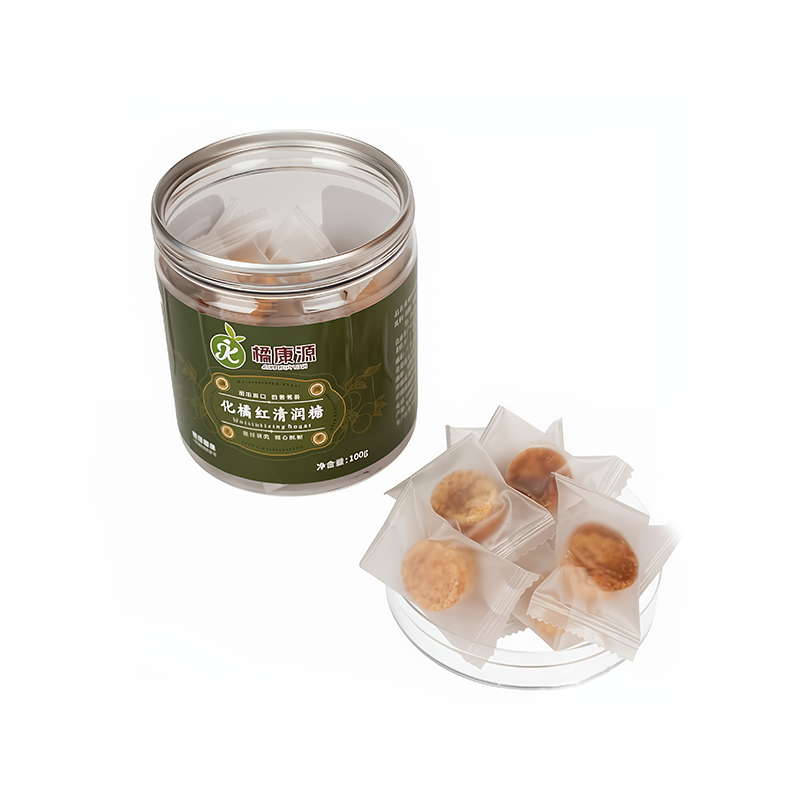
Wholesale buyers should treat Huajuhong and Dried Pomelo Peel as different sourcing questions. If the requirement is Huajuhong, the supplier should provide clear information about origin, botanical source, processing, product form, and quality control. If the requirement is general Dried Pomelo Peel, the buyer has more flexibility but should define the desired specifications in greater detail.
| Wholesale Requirement | What to Confirm |
|---|---|
| Raw material | Botanical source and fruit maturity |
| Origin | Growing and processing location |
| Product form | Whole pieces, sections, slices, strips or flakes |
| Quality | Appearance, cleanliness, dryness and agreed testing requirements |
| Packaging | Bulk bags, cartons, inner bags or customized retail packaging |
| Order quantity | Sample quantity, trial order and regular wholesale volume |
| Delivery | Production lead time and preferred transportation method |
| Customization | OEM, private label and packaging requirements |
Our Huajuhong supply strategy is designed around Southeast Asian commercial requirements. We serve buyers who need stable botanical products for markets such as Vietnam, Thailand, Malaysia, Indonesia, and Singapore. These markets can have different packaging, labeling, import, and distribution requirements, so order specifications should be confirmed before production and shipment.
Our production model combines standardized planting, careful raw material selection, modern processing equipment, quality inspection, and export-oriented packaging. We also support wholesale orders and customized packaging for qualified customers. Depending on the product and order quantity, sea freight, air freight, or express delivery can be arranged.
For regular orders, production lead time is generally around 7–20 working days after order confirmation, depending on quantity, raw material availability, processing requirements, packaging, and customization. Payment is generally arranged by T/T, with a deposit before production and the balance before shipment.
Yes, Huajuhong can be used as a citrus peel ingredient in suitable botanical and tea applications, but the product should be described accurately. If a finished product specifically uses Huajuhong, its identity should not be replaced with a generic Dried Pomelo Peel description simply because both materials are citrus-derived.
For product development, the distinction can actually be useful. Huajuhong provides a more specific traditional botanical identity, while Dried Pomelo Peel offers a broader ingredient description. A brand can choose the terminology that accurately reflects its raw material and intended market.
Huajuhong is a specific traditional dried citrus peel material associated with immature or nearly mature pomelo fruit. It can therefore be viewed as a specialized type of dried pomelo-derived peel, but the term Dried Pomelo Peel is broader and does not automatically mean Huajuhong.
Tomentose Pummelo Peel is an English name used for Huajuhong in botanical reference databases, while Citri Grandis Exocarpium is another commonly used Latinized name. The exact botanical terminology can vary between references, so buyers should also check the source specification.
Not automatically. If the finished product requires the identity and characteristics of Huajuhong, ordinary Dried Pomelo Peel from an unspecified pomelo source may not meet the same requirements. The botanical source and processing history should be confirmed first.
Huajuhong and Dried Pomelo Peel should generally be kept clean, dry, protected from excessive humidity, and away from strong odors or contamination. Moisture-resistant packaging is useful, especially for long-distance transportation and humid climates.
Yes. We support wholesale Huajuhong supply for qualified buyers, including bulk orders, customized packaging, OEM/private-label projects, and export-oriented orders. Specifications should be confirmed before production.
Neither is automatically better. The correct choice depends on the intended application. If you need a specific traditional botanical material with a defined identity, Huajuhong may be more suitable. If you need a general dried citrus ingredient, Dried Pomelo Peel may provide greater sourcing flexibility.
The simplest way to understand Huajuhong vs. Dried Pomelo Peel is to remember that the two terms operate at different levels. Huajuhong is a specific traditional citrus peel material associated with Citri Grandis Exocarpium and particular botanical and processing characteristics. Dried Pomelo Peel is a broader description for dried peel obtained from pomelo fruit.
For consumers, the difference helps explain why products with similar appearances can have different names. For herbal tea manufacturers, it helps with ingredient selection. For distributors and importers, it makes supplier communication and quality specifications much clearer.
Our Huajuhong products are developed around the characteristics of Huazhou-origin raw materials, standardized planting, controlled processing, careful quality inspection, and export-oriented packaging. We focus on providing consistent Huajuhong and related dried citrus products for Southeast Asian buyers, including wholesale, retail, herbal tea, gifting, botanical product development, OEM, and private-label applications.
When comparing Huajuhong and Dried Pomelo Peel, do not rely on the product name alone. Check the botanical source, fruit maturity, geographical origin, processing method, appearance, aroma, moisture, packaging, and intended application. These details provide a much more reliable basis for choosing the right dried citrus peel product.
Copyright @ Xiangyun Platform Information Technology Co., Ltd All rights reserved Filing Number: CP Reserve123456789-1
Powered by Xiangyun Platform Technical Support: Xiangyun Platform Disclaimer Website Map | RSS | XML
SitemapDiese Website verwendet Cookies, um sicherzustellen, dass Sie das beste Erlebnis auf unserer Website erhalten.
 English
 Español
 Portugues
 Pусский
 Français
 日本語
日本語 한국어
한국어 العربية
 Italiano
 ไทย
ไทย Indonesia
 Melayu
 Tiếng Việt
 中文
中文 Magyar
 မြန်မာ
 ພາສາລາວ
 Filipino
 ខ្មែរ
ខ្មែរ


Kommentar
(0)