

Huajuhong Benefits and Traditional Uses Explained
Huajuhong is a distinctive Traditional Citrus botanical associated with Huazhou, Guangdong. When people search for Huajuhong Benefits and Traditional Uses Explained, they are usually looking for practical information about what Huajuhong is, how it has traditionally been used, how it is prepared as an herbal tea, and what makes aged Huajuhong different from ordinary dried citrus peel. This article provides a straightforward introduction to Huajuhong Benefits and Traditional Uses Explained, with a focus on traditional use, preparation, product quality, storage, and everyday applications.
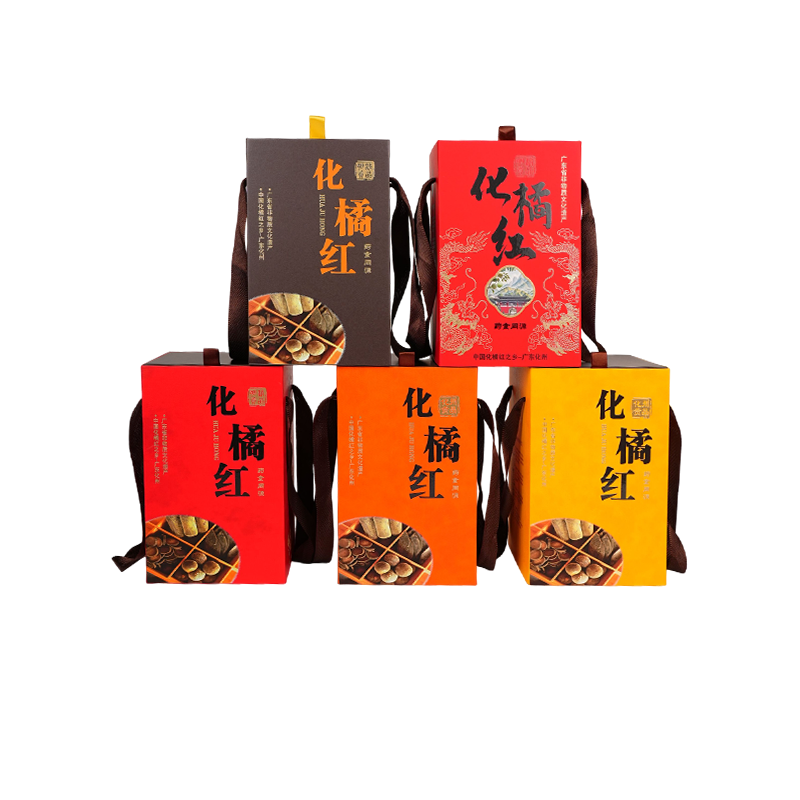
Huajuhong is a traditional dried citrus botanical made from the peel or fruit of a specific type of pomelo associated with Huazhou. In discussions about Huajuhong Benefits and Traditional Uses Explained, it is important to understand that Huajuhong is not simply ordinary dried orange peel. The raw material, growing area, processing method, appearance, aroma, and aging condition all influence the final product.
Traditional Huajuhong products may appear as whole fruits, thick peel pieces, slices, or other processed forms. The surface can have a distinctive textured or tomentose appearance, while the dried material generally has a strong citrus aroma. These characteristics are useful when considering Huajuhong Benefits and Traditional Uses Explained because product identification should come before discussing traditional applications.
Huajuhong is commonly associated with traditional herbal preparations and tea-style consumption. Depending on the product format, it can be steeped directly in hot water or combined with other traditional ingredients. Therefore, Huajuhong Benefits and Traditional Uses Explained should be viewed from a traditional botanical and food-use perspective rather than as a description of medical treatment.
The phrase Huajuhong Benefits and Traditional Uses Explained covers several practical areas. Traditional users value Huajuhong for its distinctive citrus aroma, convenient dried form, long-standing place in traditional botanical practices, and suitability for herbal tea preparation. These characteristics make Huajuhong interesting for both individual consumers and businesses developing botanical tea products.
One important point in Huajuhong Benefits and Traditional Uses Explained is that traditional benefits should not be confused with clinically proven medical effects. Huajuhong is best described as a traditional botanical ingredient. Its traditional use can be discussed responsibly without presenting it as a medicine or promising to diagnose, treat, cure, or prevent disease.
From a practical perspective, Huajuhong Benefits and Traditional Uses Explained also includes its convenient storage and preparation characteristics. Dried Huajuhong is easier to store and transport than fresh citrus fruit. Properly dried and packaged products can be supplied in retail packs, gift boxes, jars, sachets, or bulk packaging depending on the intended market.
Traditional applications are an important part of Huajuhong Benefits and Traditional Uses Explained. Huajuhong has historically been used as a dried citrus botanical in traditional preparations. It can be prepared on its own as a simple herbal tea or combined with other ingredients according to local preferences and traditional recipes.
For many consumers, the most accessible application in Huajuhong Benefits and Traditional Uses Explained is tea preparation. A small quantity of dried Huajuhong can be placed in a cup or teapot and steeped with hot water. The resulting drink has a recognizable citrus aroma and can be adjusted according to personal taste.
Another traditional application discussed in Huajuhong Benefits and Traditional Uses Explained is the use of Huajuhong as part of botanical ingredient combinations. Ginger, honey, jujube, and other familiar ingredients may be paired with Huajuhong to create different flavor profiles. These combinations are primarily about traditional beverage practices and taste preferences.
Huajuhong herbal tea is one of the simplest ways to enjoy this traditional citrus ingredient. When reviewing Huajuhong Benefits and Traditional Uses Explained, tea preparation deserves attention because the preparation method affects aroma, flavor, strength, and overall drinking experience.
To prepare Huajuhong herbal tea, start with clean dried Huajuhong and hot drinking water. A small amount is usually enough for a first brew. Add the dried material to a teapot or heat-resistant cup, pour in hot water, and allow it to steep for several minutes. This basic method is central to Huajuhong Benefits and Traditional Uses Explained because it requires little equipment and can be adapted easily.
For a lighter drink, use less Huajuhong or shorten the steeping time. For a stronger citrus character, increase the amount slightly or extend the brewing time. This simple adjustment is one of the practical points covered by Huajuhong Benefits and Traditional Uses Explained.
Flavor is another useful part of Huajuhong Benefits and Traditional Uses Explained. Properly dried Huajuhong generally has a noticeable citrus aroma. Depending on the raw material, processing, age, and brewing method, the flavor can range from light and aromatic to deeper and more concentrated.
The taste of Huajuhong Benefits and Traditional Uses Explained should not be judged only from the dry appearance. Brewing a small sample is often a better way to understand aroma, intensity, aftertaste, and compatibility with other ingredients. For commercial buyers, sample evaluation can also help determine whether a particular grade matches the intended product.
Some people prefer Huajuhong on its own, while others add honey or other ingredients to soften the citrus character. These approaches fit naturally into Huajuhong Benefits and Traditional Uses Explained because they focus on practical preparation rather than exaggerated health claims.
Honey is a popular ingredient for people exploring Huajuhong Benefits and Traditional Uses Explained. A small amount of honey can add sweetness and make the citrus flavor smoother. The easiest approach is to brew Huajuhong first, allow the drink to cool slightly, and then add honey according to taste.
When preparing a honey and Huajuhong drink, avoid using excessively hot water directly with delicate flavor ingredients if preserving their taste is important. The purpose of this combination in Huajuhong Benefits and Traditional Uses Explained is to create a pleasant botanical beverage, not to claim a specific medical effect.
Ginger is another familiar ingredient that can be combined with Huajuhong. In Huajuhong Benefits and Traditional Uses Explained, ginger is useful mainly because its warm, spicy character creates an interesting contrast with the citrus aroma of Huajuhong.
A simple preparation uses a small piece of dried Huajuhong together with a few thin slices of fresh or dried ginger. Add hot water and steep for several minutes. Adjust the amount according to taste. This approach makes Huajuhong Benefits and Traditional Uses Explained practical for consumers who enjoy stronger, more aromatic herbal beverages.
Jujube can also be used in traditional-style tea combinations. When considering Huajuhong Benefits and Traditional Uses Explained, combining citrus and jujube provides another way to balance aroma and sweetness naturally.
For a simple drink, use several pieces of dried jujube with a small quantity of Huajuhong. Steep the ingredients together in hot water and adjust the proportions based on taste. The resulting beverage can have a richer flavor than Huajuhong alone. This is one of the easy household applications included in Huajuhong Benefits and Traditional Uses Explained.
One reason Huajuhong Benefits and Traditional Uses Explained is relevant to modern consumers is the convenience of dried botanical ingredients. Unlike fresh fruit, dried Huajuhong can be stored for later use and prepared in relatively small quantities.
Consumers can make Huajuhong part of an everyday tea routine by preparing a cup after meals, during work breaks, or when enjoying a quiet beverage at home. The emphasis in Huajuhong Benefits and Traditional Uses Explained is on traditional beverage enjoyment rather than replacing a balanced diet or professional healthcare.
For regular tea drinkers, it can be useful to keep several preparation options available. Huajuhong can be brewed alone, combined with ginger, mixed with jujube, or lightly sweetened with honey. These options make Huajuhong Benefits and Traditional Uses Explained more practical for different flavor preferences.
Aging is often discussed when researching Huajuhong Benefits and Traditional Uses Explained. Aged Huajuhong can develop changes in appearance, aroma, texture, and flavor over time when it is properly processed and stored.
The age of a product should not be the only factor used to judge quality. In Huajuhong Benefits and Traditional Uses Explained, raw material quality, cleanliness, dryness, processing, storage conditions, packaging, and traceability are equally important considerations.
For commercial buyers, an advertised aging period should be supported by clear product information. A responsible approach to Huajuhong Benefits and Traditional Uses Explained is to evaluate actual product condition rather than relying only on a number printed on packaging.
Huajuhong is available in several product formats, and this is another important part of Huajuhong Benefits and Traditional Uses Explained. Whole fruits can provide a traditional presentation and are often suitable for gifting or display. Slices are more convenient for tea preparation and commercial formulation.
| Huajuhong Form | Main Feature | Common Application |
|---|---|---|
| Whole Huajuhong Fruit | Complete fruit appearance | Gifting, display, traditional use |
| HuaJuhong Slices | Convenient sliced format | Herbal tea and beverage preparation |
| Aged Huajuhong | Developed appearance and aroma | Traditional botanical products |
| Individually Packed Huajuhong | Convenient portion control | Retail and gifting |
The most suitable format depends on the intended application. For households, slices can be convenient. For premium gifting, whole fruit or decorative packaging may be more suitable. For commercial tea products, consistent slice size can make formulation and portion control easier. These considerations belong directly within Huajuhong Benefits and Traditional Uses Explained.
Processing quality has a major influence on the final product discussed in Huajuhong Benefits and Traditional Uses Explained. A practical processing system normally begins with selection of suitable raw materials. The material is then cleaned, prepared, dried, graded, inspected, and packed according to the intended product specification.
Good processing should focus on cleanliness, controlled drying, stable moisture condition, appropriate handling, and protection from contamination. These details matter because Huajuhong Benefits and Traditional Uses Explained should cover not only traditional applications but also the basic quality factors behind a reliable dried botanical product.
For sliced products, consistent cutting can improve appearance and make brewing more predictable. For whole fruit products, careful handling helps maintain the complete fruit shape. Both approaches can be considered when evaluating Huajuhong Benefits and Traditional Uses Explained for household and commercial use.
Origin is an important topic in Huajuhong Benefits and Traditional Uses Explained. Huazhou in Guangdong is closely associated with traditional Huajuhong Production. The local connection between the botanical material, cultivation, processing knowledge, and traditional use gives Huazhou Huajuhong its distinctive identity.
For buyers researching Huajuhong Benefits and Traditional Uses Explained, origin information can help distinguish authentic regional products from generic dried citrus materials. Product documentation should clearly identify the raw material and production location whenever possible.
For export-oriented products, origin information also supports product storytelling and helps buyers understand what they are purchasing. This is particularly useful when presenting Huajuhong Benefits and Traditional Uses Explained to consumers and wholesale customers in Southeast Asian markets.
Interest in Huajuhong Benefits and Traditional Uses Explained extends beyond the domestic market. Southeast Asian consumers have broad familiarity with herbal beverages, dried botanical ingredients, citrus products, and traditional tea preparation.
Huajuhong can therefore be presented in several practical formats for markets such as Vietnam, Thailand, Malaysia, Indonesia, and Singapore. Retail jars, individual sachets, gift boxes, bulk packs, and customized private-label packaging can serve different customer groups. These commercial possibilities make Huajuhong Benefits and Traditional Uses Explained relevant to both consumers and B2B buyers.
For wholesale orders, buyers may evaluate raw material origin, product age, appearance, packaging, quantity, specifications, and delivery requirements. A clear product specification is more useful than broad marketing language when applying Huajuhong Benefits and Traditional Uses Explained to commercial purchasing decisions.
Proper storage is an essential part of Huajuhong Benefits and Traditional Uses Explained. Dried citrus products should be protected from moisture, excessive heat, direct sunlight, contamination, and strong foreign odors.
Moisture-resistant inner packaging can help protect the product during transportation and storage. Depending on the sales format, Huajuhong may be packed in sealed bags, jars, cartons, gift boxes, or customized retail packaging. These details support the practical side of Huajuhong Benefits and Traditional Uses Explained.
After opening, consumers should keep Huajuhong sealed when not in use and store it in a clean, dry location. If unusual moisture, mold, or an abnormal odor develops, the product should not be consumed. These basic precautions are more important than simply focusing on the age or appearance of Huajuhong.

When evaluating Huajuhong Benefits and Traditional Uses Explained, product selection should start with basic quality indicators. Look for clear product information, appropriate packaging, a clean appearance, a natural citrus aroma, and a dry condition suitable for storage.
For whole fruit, check whether the fruit remains intact and whether the surface shows signs of excessive moisture or contamination. For slices, examine size consistency, cleanliness, color, texture, and packaging condition. These simple checks make Huajuhong Benefits and Traditional Uses Explained more useful for real purchasing decisions.
Wholesale buyers should request samples before placing large orders when possible. Sample evaluation allows buyers to check aroma, appearance, brewing performance, packaging, and consistency. This practical step is especially useful when applying Huajuhong Benefits and Traditional Uses Explained to private-label or commercial tea projects.
Premium Huajuhong products can also be positioned as traditional botanical gifts. In Huajuhong Benefits and Traditional Uses Explained, gifting is relevant because whole fruits, aged products, decorative jars, and portable gift boxes can provide a more distinctive presentation than ordinary loose dried ingredients.
Gift packaging can include moisture-resistant inner packaging, decorative boxes, jars, individual sachets, and customized labels. The packaging should protect the product while presenting clear information about product type, origin, weight, and storage. This makes Huajuhong Benefits and Traditional Uses Explained useful for both personal gifting and business gifting scenarios.
One common mistake is using too much material during the first brew. Stronger does not necessarily mean better. When exploring Huajuhong Benefits and Traditional Uses Explained, starting with a small quantity allows the user to understand the natural flavor before adjusting the recipe.
Another mistake is storing dried Huajuhong in an open or humid environment. Moisture can negatively affect dried botanical products. Proper sealing and dry storage are therefore basic requirements within Huajuhong Benefits and Traditional Uses Explained.
A third mistake is judging quality entirely by age. A five-year product that has been properly processed and stored may be more suitable for a particular application than an older product with poor storage conditions. This is an important practical lesson from Huajuhong Benefits and Traditional Uses Explained.
A responsible explanation of Huajuhong Benefits and Traditional Uses Explained should make an important distinction: traditional botanical use is not the same as a medical treatment claim. Huajuhong can be described as a traditional citrus botanical used in herbal preparations and tea-style beverages.
Consumers should not rely on Huajuhong to diagnose, treat, cure, or prevent a medical condition. If someone has persistent symptoms or a health concern, professional medical advice is appropriate. This balanced approach keeps Huajuhong Benefits and Traditional Uses Explained useful while avoiding unsupported health promises.
The main topics in Huajuhong Benefits and Traditional Uses Explained include its traditional botanical use, citrus aroma, herbal tea preparation, product formats, aging, storage, gifting, and commercial applications.
Place a small amount of dried Huajuhong in a cup or teapot, add hot water, and steep for several minutes. Adjust the amount and brewing time according to taste. This is one of the simplest applications described in Huajuhong Benefits and Traditional Uses Explained.
Yes. Honey can be added after brewing to provide sweetness and complement the citrus aroma. This is a common flavor-oriented approach discussed in Huajuhong Benefits and Traditional Uses Explained.
Yes. Ginger provides a warm, spicy flavor that can complement the citrus character of Huajuhong. A small quantity is enough for most tea preparations, making it another practical idea within Huajuhong Benefits and Traditional Uses Explained.
Not necessarily. Age is only one factor. Raw material quality, processing, dryness, storage, packaging, and product condition should also be considered when evaluating Huajuhong Benefits and Traditional Uses Explained.
Keep Huajuhong sealed in moisture-resistant packaging and store it in a clean, dry place away from direct sunlight, heat, moisture, and strong odors. Proper storage is an essential part of Huajuhong Benefits and Traditional Uses Explained.
Common formats include whole fruits, slices, aged products, individually packed portions, jars, and gift boxes. The right format depends on whether the product is intended for tea preparation, retail, gifting, or wholesale use.
Yes. Huajuhong can be supplied for retail, herbal tea, traditional botanical products, gifting, and other plant-based applications. Wholesale buyers should confirm product specifications, packaging, quantity, quality requirements, and delivery conditions before ordering.
For commercial buyers, Huajuhong Benefits and Traditional Uses Explained can provide a starting point for product development. Dried Huajuhong can be considered for herbal tea blends, traditional botanical products, specialty beverages, gift products, and retail packs.
Businesses may also require customized packaging, private-label services, different slice sizes, whole fruit formats, or specific order quantities. A reliable supply process should include raw material selection, processing, quality inspection, packaging, and shipment preparation. These practical factors are essential when turning Huajuhong Benefits and Traditional Uses Explained into a commercial product plan.
For export orders, buyers should also confirm the import and labeling requirements of the destination market. Product claims should remain accurate and appropriate for the intended category. This approach allows Huajuhong Benefits and Traditional Uses Explained to support international sales without relying on exaggerated claims.
Consistency is especially important for repeat buyers. When a customer purchases Huajuhong regularly, differences in appearance, moisture, aroma, slice size, or packaging can affect the customer experience. Therefore, Huajuhong Benefits and Traditional Uses Explained should also consider manufacturing consistency.
A standardized production process can help control cleaning, cutting, drying, grading, inspection, and packaging. For larger orders, agreed specifications can make communication between buyer and supplier much easier. These details are an important commercial extension of Huajuhong Benefits and Traditional Uses Explained.
Huajuhong Benefits and Traditional Uses Explained is ultimately about understanding this distinctive traditional citrus botanical in a practical and responsible way. Huajuhong is closely associated with Huazhou and has a long history of traditional use in botanical preparations. Today, it can be found in whole-fruit, sliced, aged, retail, gift, and tea-oriented formats.
The most practical applications of Huajuhong Benefits and Traditional Uses Explained include herbal tea preparation, traditional botanical use, flavor combinations with ingredients such as ginger, honey, and jujube, gifting, retail products, and commercial tea development.
For consumers, choosing a clean, properly dried, well-packaged product and storing it correctly are the basic steps. For wholesale buyers, origin, specifications, consistency, packaging, inspection, and delivery should receive equal attention. A clear understanding of Huajuhong Benefits and Traditional Uses Explained helps buyers make more informed decisions without confusing traditional botanical use with medical treatment.
When enjoyed as part of an everyday beverage routine, Huajuhong offers a distinctive citrus aroma, convenient preparation, and a strong connection with traditional Huazhou botanical culture. That combination of origin, processing, flavor, and traditional application is what makes Huajuhong Benefits and Traditional Uses Explained a useful topic for consumers, retailers, tea businesses, gift buyers, and international wholesale customers.
Copyright @ Xiangyun Platform Information Technology Co., Ltd All rights reserved Filing Number: CP Reserve123456789-1
Powered by Xiangyun Platform Technical Support: Xiangyun Platform Disclaimer Website Map | RSS | XML
SitemapDiese Website verwendet Cookies, um sicherzustellen, dass Sie das beste Erlebnis auf unserer Website erhalten.
 English
 Español
 Portugues
 Pусский
 Français
 日本語
日本語 한국어
한국어 العربية
 Italiano
 ไทย
ไทย Indonesia
 Melayu
 Tiếng Việt
 中文
中文 Magyar
 မြန်မာ
 ພາສາລາວ
 Filipino
 ខ្មែរ
ខ្មែរ


Kommentar
(0)